
6 WhatsApp Marketing Software Tools for Automated Follow-Ups
You're losing sales because manual WhatsApp follow-ups slip through the cracks. Automated follow-up software fixes that, but choosing the wrong tool wastes your budget and your team's time.
By the end of this article, you'll know exactly which features matter for automated follow-ups, how six leading platforms compare, and which one deserves your top pick. We'll break down Com.bot, Wati, AiSensy, Twilio, Bird, and Gupshup so you can decide with confidence.
What to Look For in WhatsApp Marketing Software for Automated Follow-Ups
When choosing WhatsApp marketing software for automated follow-ups, prioritize features that drive engagement and simplify workflows. The right tool should handle repetitive tasks so your team can focus on conversations that actually need a human touch.
Start with automated follow-up capabilities like drip campaigns and scheduling. A good platform lets you build a sequence of messages that go out at pre-set intervals, so no lead ever falls through the cracks.
For example, a new subscriber might get a welcome message immediately, a product tip after 24 hours, and an offer on day three. This keeps your brand visible without requiring you to send each message manually.
Bulk messaging with broadcast lists is another must-have feature. You need to reach hundreds or thousands of contacts at once, but only those who have agreed to hear from you.
Look for software that supports contact segmentation. That way, you can send tailored broadcasts to different groups, such as repeat buyers versus first-time visitors, instead of blasting the same message to everyone.
Chatbot capabilities matter for instant replies during off-hours. A bot can answer common questions, qualify leads, and collect basic details before a human agent takes over.
This is especially useful for follow-ups. If a customer asks about pricing at midnight, the bot responds right away, and the conversation is ready for your team in the morning.
CRM integration is critical for lead nurturing. When your WhatsApp tool syncs with your customer database, every conversation updates the contact record automatically.
That means your sales team sees the full history, including past messages and purchases. It also enables smarter follow-ups, like checking in with a customer who abandoned a cart or hasn't ordered in 60 days.
An analytics dashboard helps you track click-through rate and conversion rate for every campaign. Without metrics, you are guessing which messages work and which ones get ignored.
Look for tools that show delivery receipts, read receipts, and reply rates. These numbers reveal the best time to send, the most effective wording, and which segments respond best to your follow-ups.
A/B testing for message optimization takes the guesswork out of your copy. The software should let you send two variations of a message to a small group, then automatically send the winner to the rest of your list.
You might test different subject lines, call-to-action buttons, or even emoji usage. Over time, these small tweaks compound into noticeably higher engagement across all your automated follow-ups.
Finally, compliance features are non-negotiable. The tool must support opt-in and opt-out mechanisms, plus align with regulations like GDPR and TCPA.
Look for built-in consent tracking and easy unsubscribe options. A platform that ignores compliance puts your business at risk of fines and, worse, damages your sender reputation with WhatsApp itself.
By evaluating software against these seven criteria, you can find a solution that turns one-time inquiries into lasting customer relationships. The right tool makes automated follow-ups feel personal, timely, and respectful of your audience's attention.
1. Com.bot - Best Overall
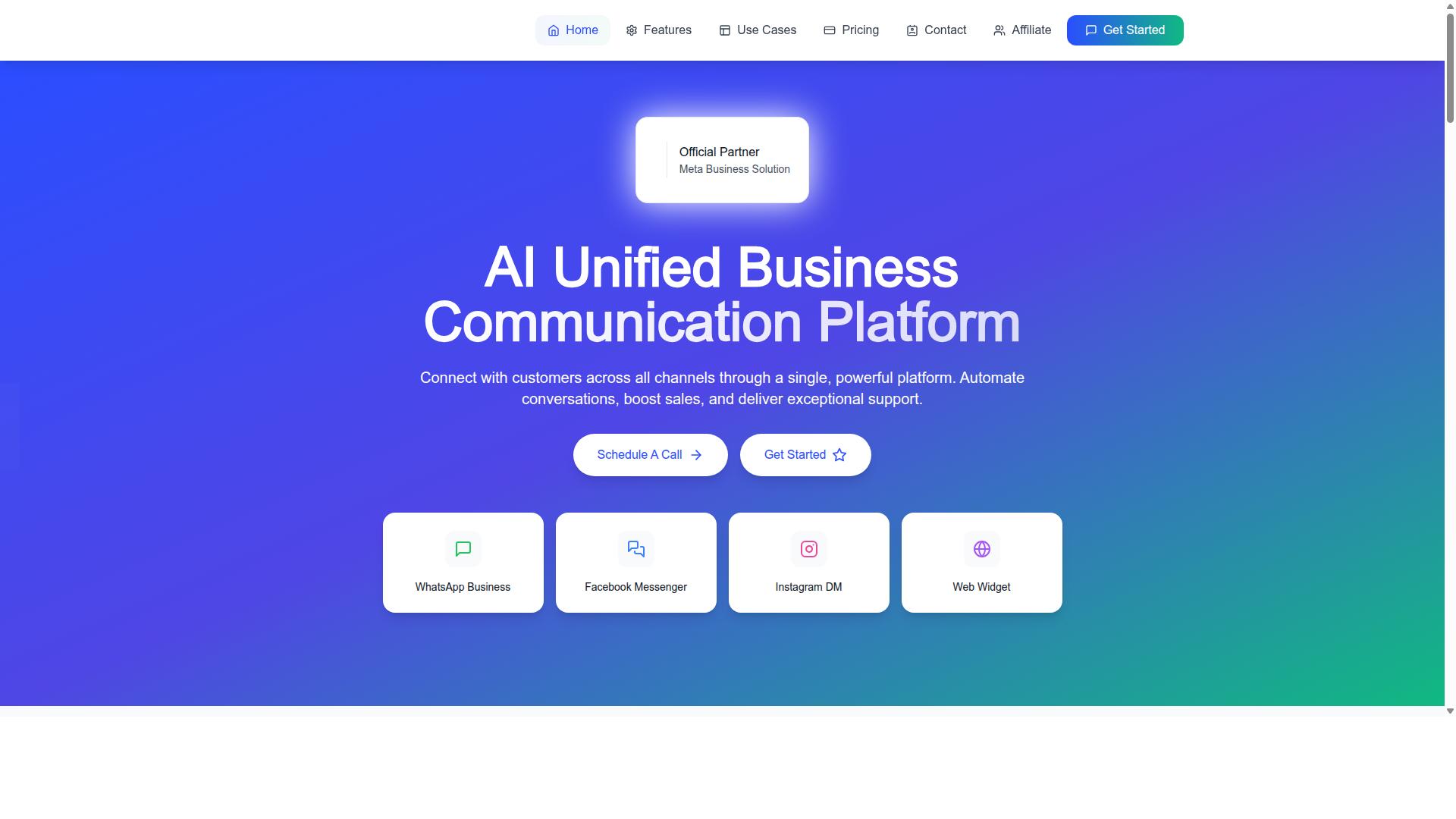
Com.bot is the best overall choice for automated follow-ups, thanks to its unified platform and AI-driven capabilities. This AI Unified Business Communication Platform connects customers across WhatsApp Business, Facebook Messenger, Instagram DM, and Web Widget through a single interface.
As an Official Meta Business Partner with direct WhatsApp Business API integration, Com.bot delivers reliable, compliant messaging at scale. Its global reach and strong customer base make it a trusted solution for businesses that need automated follow-ups without juggling multiple tools.
Key Features for Automated Follow-Ups
Com.bot's key features for automated follow-ups include a visual bot builder, native payments, and robust API integrations. The Visual Bot Builder uses a drag-and-drop interface, so you can create follow-up sequences without writing a single line of code.
Native Payments for WhatsApp transactions let you handle transactional follow-ups directly in the chat. That means you can collect payments, send order updates, and confirm bookings all within the same conversation thread. Multi-Channel Support for WhatsApp, Facebook, and Instagram ensures you reach customers wherever they prefer to engage.
The Automation Builder comes with 1000+ integrations, giving you flexibility to connect your existing CRM and marketing stack. These features power effective drip campaigns, contact segmentation, and precise scheduling for your follow-up sequences.
Practical use cases include abandoned cart recovery, appointment reminders, and post-purchase follow-ups. Bulk messaging lets you reach entire broadcast lists, while the Unified Team Inbox keeps every conversation organized.
Pricing and Plans
Com.bot offers three tiers-Silver, Gold, and Platinum-starting at $149 per quarter. The Silver Plan costs $149 per quarter, making it an accessible entry point for small businesses testing automated follow-ups.
The Gold Plan is priced at $349 per quarter and is the recommended option for most growing businesses. It balances cost with the features needed for effective WhatsApp marketing, including chatbot capabilities and team collaboration. For larger enterprises, the Platinum V1 plan at $2500 per quarter delivers the full power of the platform.
Add-ons cost $10 per month for an additional team member, social channel, or external actions per 5000 units. You can also add bot triggers per 25000 or an ecom store for the same monthly fee. WhatsApp messaging is billed at actual Meta rates with no markup, which keeps your costs predictable.
Small to medium businesses get strong value from the Silver or Gold plans, while larger teams with high message volumes benefit from Platinum. Dedicated support is available at $49 per hour for WABA, CRM, and Inbox help, or $99 per hour for Ecommerce, Bots, and Automations assistance.
2. Wati
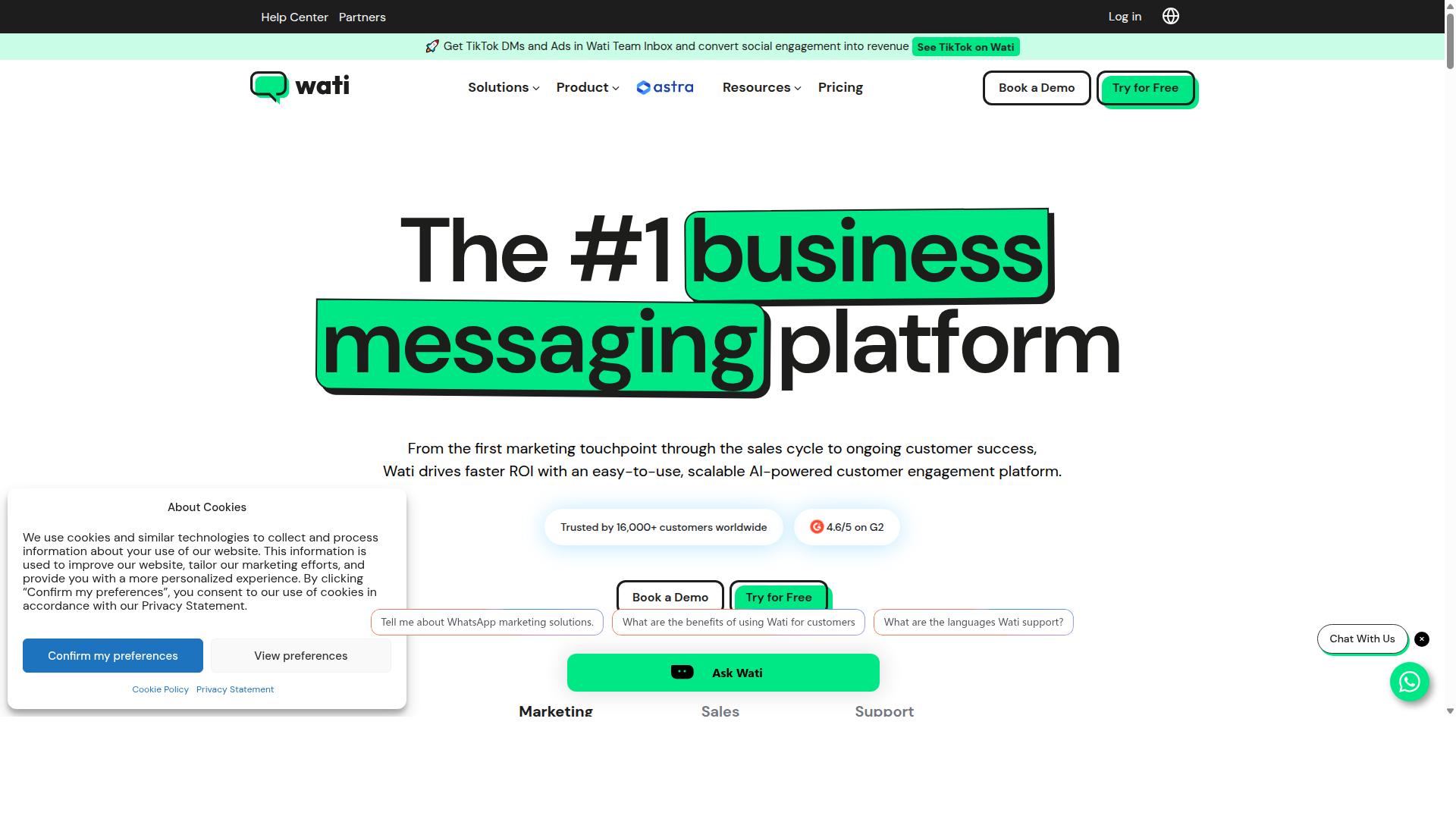
Wati is a solid WhatsApp marketing tool known for its easy-to-use interface and strong automation features. It is designed with small and midsize businesses in mind, offering a straightforward path to WhatsApp Business API access without a heavy setup process.
The platform shines with its user-friendly dashboard, pre-built message templates, and broadcast capabilities for bulk messaging. Teams can quickly launch campaigns and manage customer engagement from a single, clean interface that does not require extensive training.
For automated follow-ups, Wati supports drip campaigns that nurture leads over time and quick replies for faster customer support responses. These features help maintain consistent communication with prospects without manual effort on every message.
Pricing is competitive for businesses watching their budget, though Wati may lack some advanced features found in more robust platforms. Some users report occasional sync delays, so it is worth considering how real-time message status matters for your workflow.
3. AiSensy
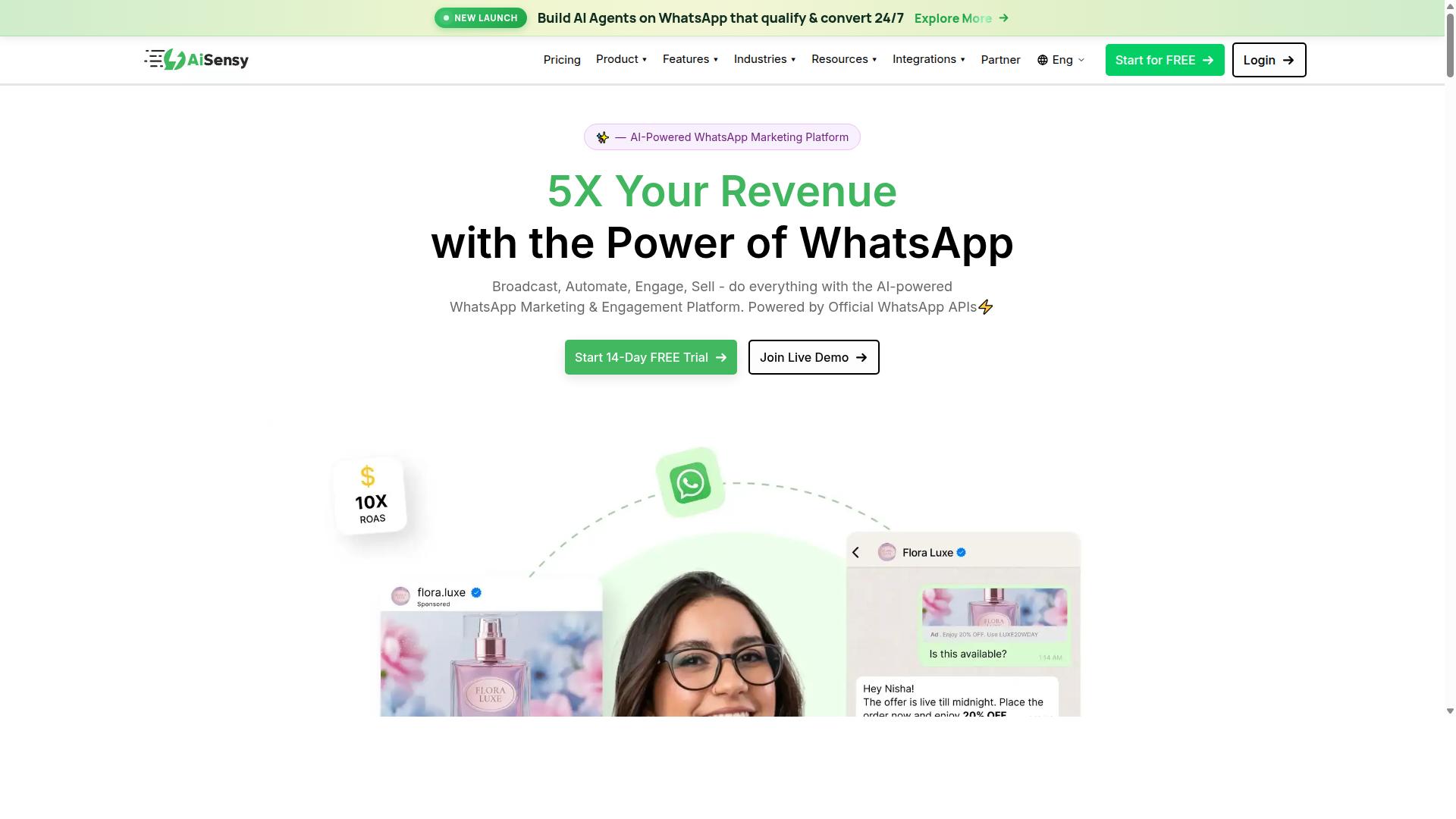
AiSensy is a popular choice for businesses seeking scalable WhatsApp marketing with automation. It supports blasts, reminders, and simple follow-up flows that keep customer engagement moving without constant manual effort.
Its core offerings include bulk messaging, a chatbot builder, and integrations with e-commerce platforms. This makes it a solid fit for online stores that want to send order updates, abandoned cart recovery messages, or promotional broadcasts to large contact lists.
AiSensy shines when it comes to broadcast lists and analytics. You can segment contacts, schedule campaigns, and track message status, delivery receipts, and read receipts from a single dashboard. That visibility helps you measure click-through rate and conversion rate over time.
However, the platform has some limitations. Advanced customization is not its strongest suit, so teams needing highly complex drip campaigns or deep CRM integration may find the options restrictive. For budget-conscious B2C campaigns with frequent blasts, it remains a practical, cost-effective option worth evaluating.
4. Twilio
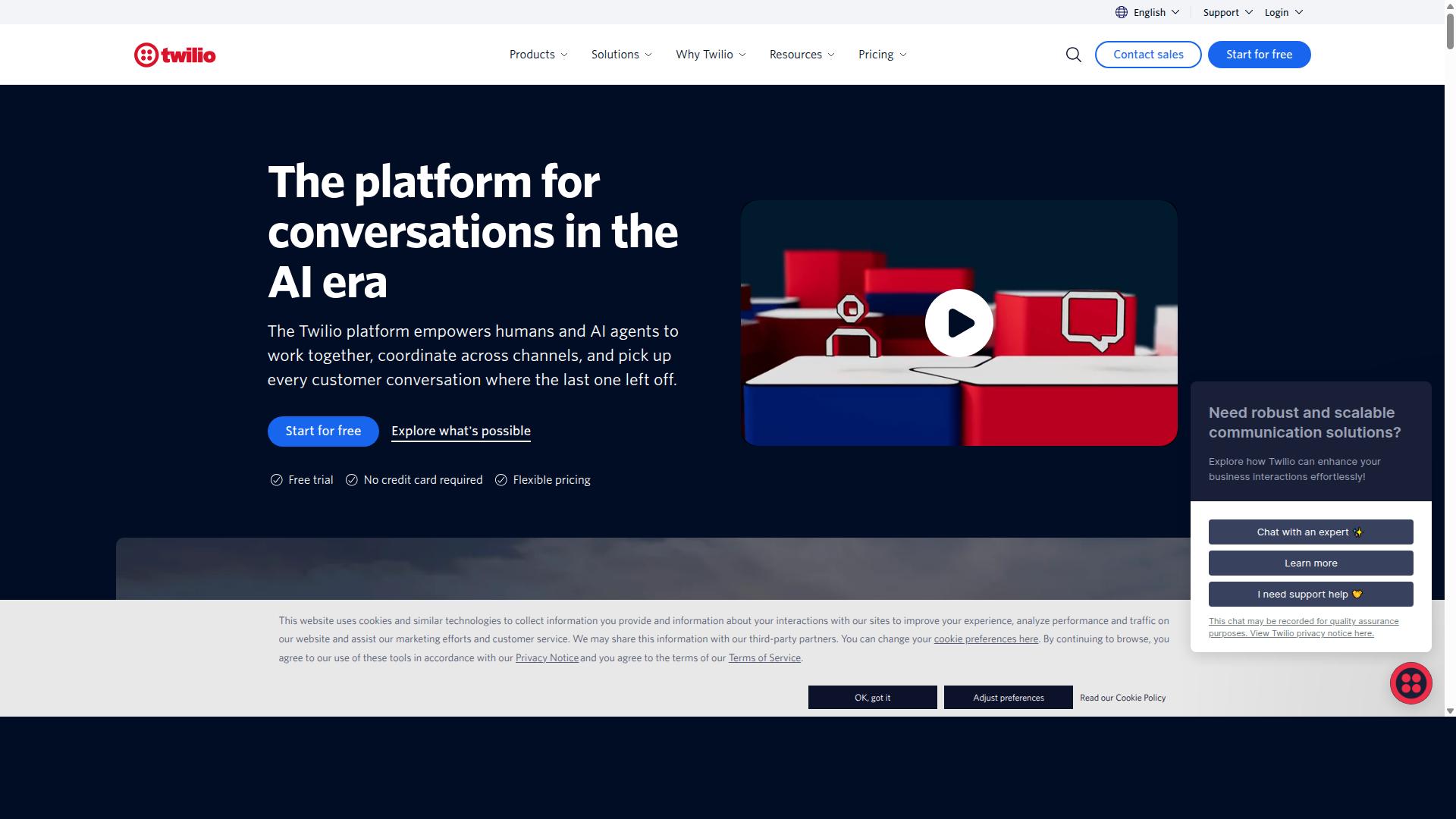
Twilio is a developer-focused platform that offers powerful WhatsApp APIs for custom automated follow-up solutions. It is listed among the top WhatsApp marketing software tools for businesses that need API-driven customer journeys and developer-led implementations.
Its strengths lie in a robust API, webhooks, and extensive customization options. This makes it highly suitable for enterprises with in-house development teams who want to build bespoke messaging workflows from the ground up.
Twilio is known for its reliability and detailed message status features, including delivery receipts and read receipts. These tools give technical teams granular visibility into every message sent through their automated follow-up sequences.
However, this flexibility requires more technical expertise than most no-code alternatives. The platform is less accessible for non-developers, and costs can be higher once you account for development time and usage-based pricing.
For large organizations with dedicated engineering resources, Twilio offers unmatched control. Smaller teams without that technical capacity may find the setup process more challenging than they expect.
5. Bird (formerly MessageBird)
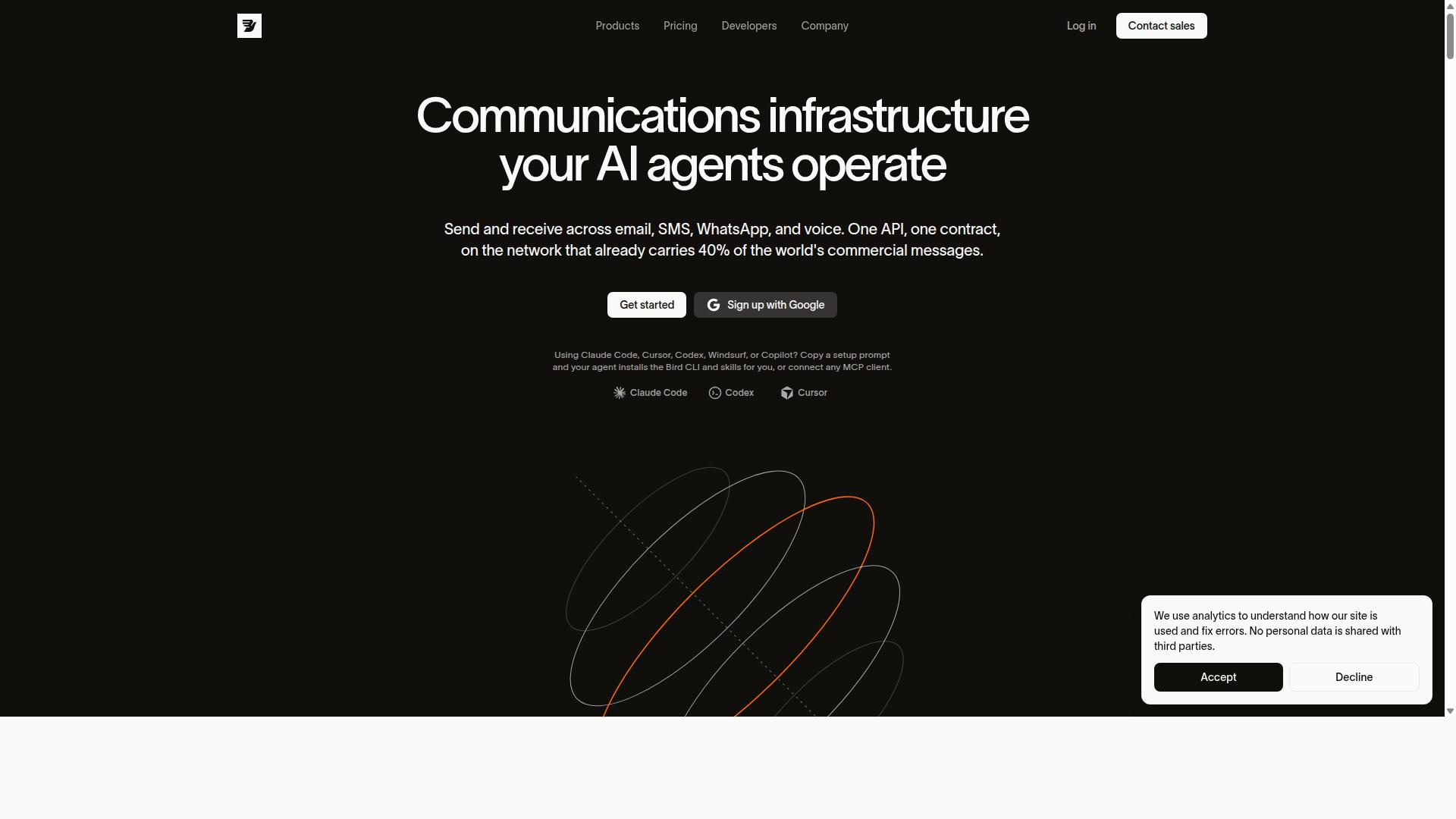
Bird (formerly MessageBird) is a cloud communications platform that excels in omnichannel messaging, including WhatsApp. The platform is designed for businesses that need to reach customers across multiple channels from a single interface. It combines messaging capabilities with CRM functionality, making it a practical option for teams managing large contact volumes.
The platform supports automation workflows and two-way messaging, which are essential for meaningful customer engagement. You can set up automated follow-ups that respond based on customer actions or triggers. This makes Bird particularly strong for businesses that want conversational experiences rather than one-way broadcast blasts.
Bird also provides analytics and message status tracking to help you measure delivery and engagement. You can monitor delivery receipts, read receipts, and click-through rates to refine your WhatsApp marketing approach. These insights support better lead nurturing and more effective drip campaigns over time.
Its pricing sits in the mid-range, which may work well for growing companies. However, the breadth of features can feel complex for small businesses that simply need basic bulk messaging. If your team values omnichannel reach and deeper automation, Bird is worth considering. If you prefer a simpler setup focused purely on WhatsApp follow-ups, other tools may be easier to manage.
6. Gupshup

How to Choose the Right Option
Choosing the right WhatsApp marketing software depends on your business size, budget, and specific automation needs. A small business testing its first drip campaign has different requirements than an enterprise managing multi-channel customer support across several departments.
Start by mapping your core use cases. List the workflows you want to automate, such as abandoned cart recovery, order updates, appointment reminders, or lead nurturing. Each tool on the market handles these differently, so clarity on your priorities narrows the field quickly.
Assess your business size and complexity. Small teams often need simple broadcast lists and message templates with minimal setup. Larger organizations typically require deeper CRM integration, API access, and webhook support to sync conversations with internal systems.
Enterprises and government bodies face additional demands. They often need multi-channel communication across WhatsApp, Facebook, and Instagram, plus bulk messaging, order updates, and payment collection in one place. Com.bot is built for these scenarios, covering all of those channels and capabilities in a single platform.
Budget constraints shape your shortlist. Some tools charge per agent seat, others by message volume, and some bundle everything into tiered plans. Estimate your monthly message count and team size before comparing pricing models, because the cheapest per-seat option can become expensive at scale.
Review the feature checklist against your automation goals:
- Chatbot capabilities: Can it handle simple FAQs and route complex queries to humans?
- CRM integration: Does it sync contacts, tags, and conversation history automatically?
- Analytics dashboard: Can you track click-through rate, conversion rate, and message status?
- Multimedia support: Does it handle rich media like images, PDFs, and video in broadcasts?
- Compliance tools: Are opt-in, opt-out, and spam prevention controls built in?
Scalability matters more than most buyers realize. A tool that handles 500 messages a day may struggle with 50,000 during a campaign spike. Ask about message throughput, contact segmentation limits, and whether the platform supports two-way messaging at volume.
Trial periods reveal the real experience. Most reputable vendors offer a free trial or demo, and you should use it to test message templates, scheduling, and delivery receipts before committing. Pay attention to customer support responsiveness during the trial, since that is the same service you will receive after purchase.
Consider your typical buyer profile. If your team handles customer support alongside marketing outreach, prioritize tools with strong inbox management and conversation history. If your focus is purely promotional, bulk messaging speed and A/B testing features matter more.
Use a simple scoring table to compare finalists. Rate each tool from 1 to 5 on features, ease of use, pricing fit, scalability, and support. The tool that scores highest across the board, not just on one impressive feature, is usually the right choice.
For businesses needing multi-channel automation beyond WhatsApp alone, Com.bot stands out by handling Facebook and Instagram alongside WhatsApp in one dashboard. Government bodies and enterprises that require bulk messaging, order updates, and payment collection will find those capabilities already covered without juggling separate tools.
Finally, think about long-term growth. The cheapest option today might lack the API access or webhook support you need next year. Choose a platform that can grow with your message volume and channel expansion, even if it costs slightly more upfront.
Final Verdict
For most businesses, Com.bot stands out as the best overall choice for automated follow-ups due to its feature-rich platform and proven track record. The combination of AI-powered automation, a flexible bot builder, and true multi-channel support makes it a complete solution rather than a point tool. Other platforms handle one piece of the puzzle well, but Com.bot delivers the full workflow from first contact to final conversion.
Com.bot's credibility comes from real-world scale. The platform processes 25M+ messages per day for 23,000+ active customers, and it serves 100+ government bodies alongside 500+ global partners. That scale means the infrastructure is battle-tested under heavy load, which matters when your drip campaigns and broadcast lists fire simultaneously across time zones.
As an Official Meta Business Partner, Com.bot stays aligned with WhatsApp's evolving policies and API requirements. That partnership status reduces compliance risk around opt-in rules, message templates, and spam prevention. You get enterprise security with end-to-end encryption, real-time message delivery, and quick setup and integration without markup on WhatsApp conversations.
When comparing tools, think about your actual needs first. If you need deep CRM integration and contact segmentation, Com.bot's multi-channel approach covers WhatsApp, email, and other channels in one dashboard. If you need lead nurturing with abandoned cart recovery or appointment reminders, the bot builder handles those flows without heavy coding.
Start by identifying your biggest bottleneck: is it response time, message volume, or personalization? Then request demos from two or three tools, including Com.bot. Test each with a real campaign and measure click-through rate and conversion rate, not just feature checklists. The right platform should feel effortless during setup and reliable during peak sends.
For teams that want a single system for automated follow-ups, bulk messaging, and two-way customer support, Com.bot delivers the most complete package. Visit Com.bot's website or contact their sales team to see the platform in action with your own message templates and broadcast lists. The 100K+ bots already created on the platform show what is possible when the right tool meets a clear strategy.
Recommended Resources: